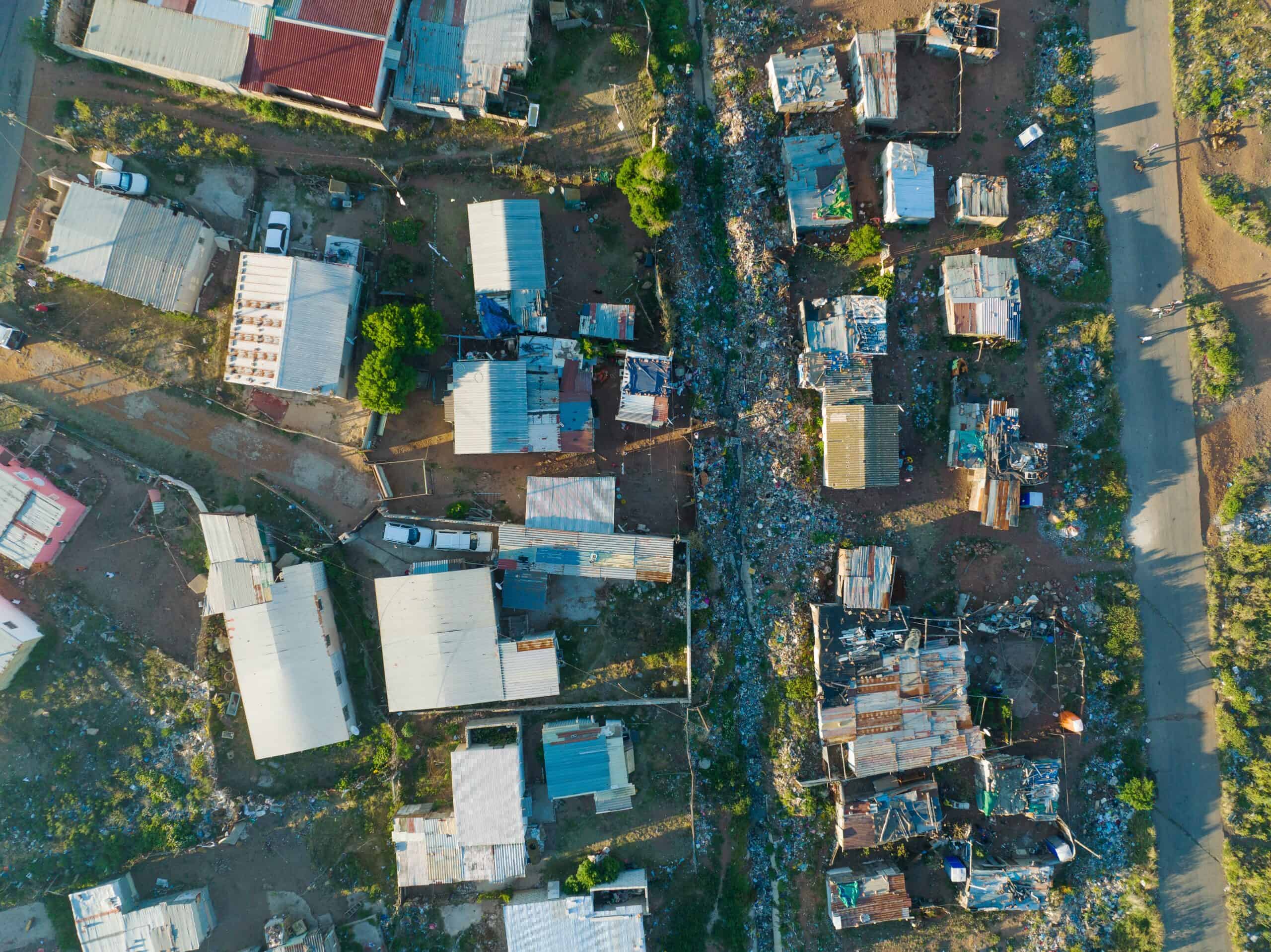
Situational Intelligence
Global Intelligence
Unified Understanding
Each iteration of any organization’s emergency response plan is the sum of painful lessons on the significance of situational awareness.
A crisis will always lead to disruption. Unavailable essential supplies, contractions in spending for important projects, disruptions to supply chains, and reduced availability of critical employees will create a rough sea for all boats. There will be wrecks that every enterprise should be prepared for. However, greater situational awareness can ensure preparedness, reduce the effort spent on analyzing ongoing emergencies, distribute correct information, and prioritize the most essential resource any enterprise has: its people.
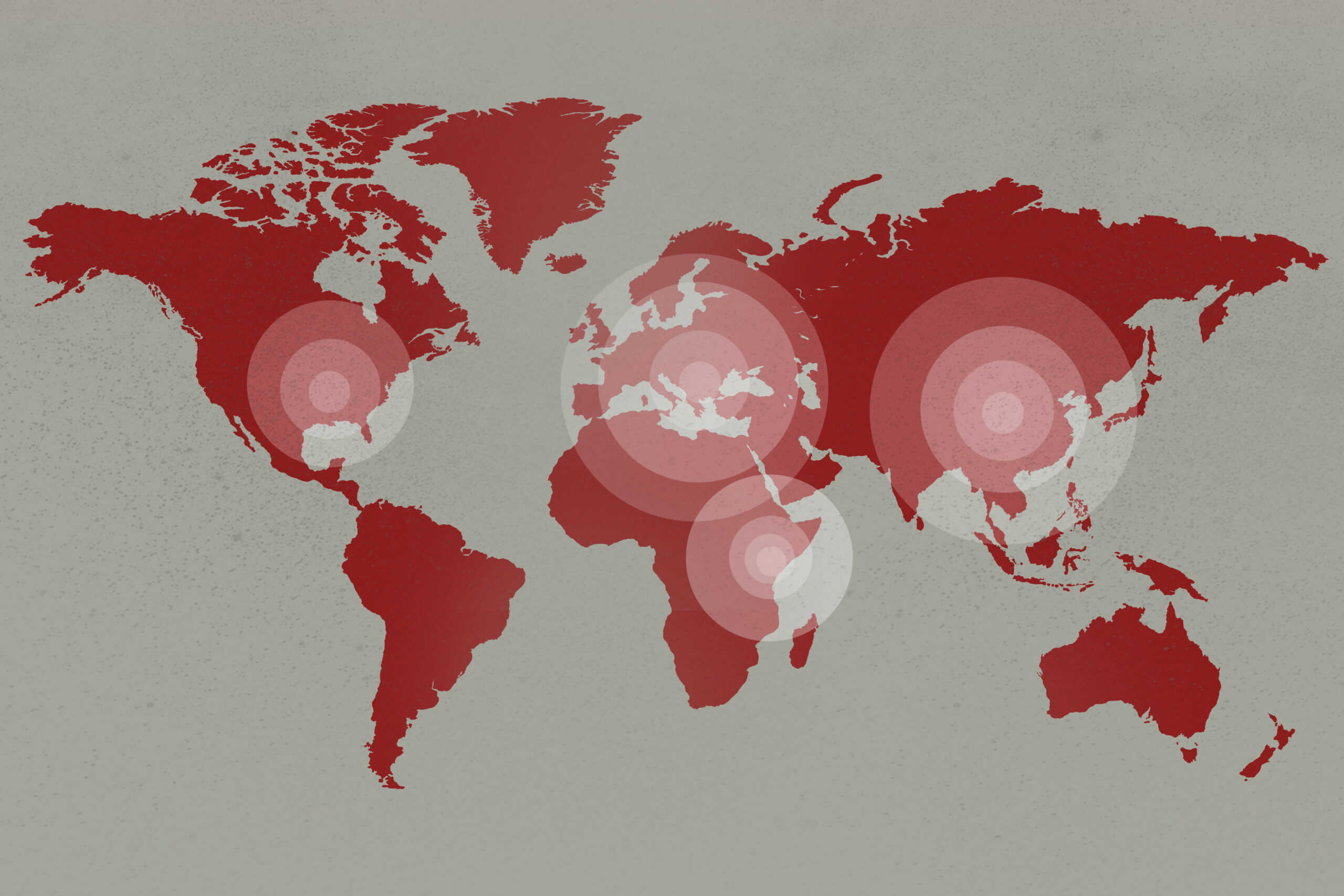
Tracking Thermal Signatures
Threat Tracking
Integrating
Anomalies
Costly missteps can be averted, and prior successes can be duplicated.
Organize analytics across multiple threat vectors — health, thermal (fires), natural disasters, weather emergencies and public sentiment. Source, analyze and leverage that data to produce persona-based analysis: enhanced analytics, AI-driven predictive and prescriptive alerts, and scheduled reporting. Understanding the threat is what averts costly missteps and makes prior successes repeatable.
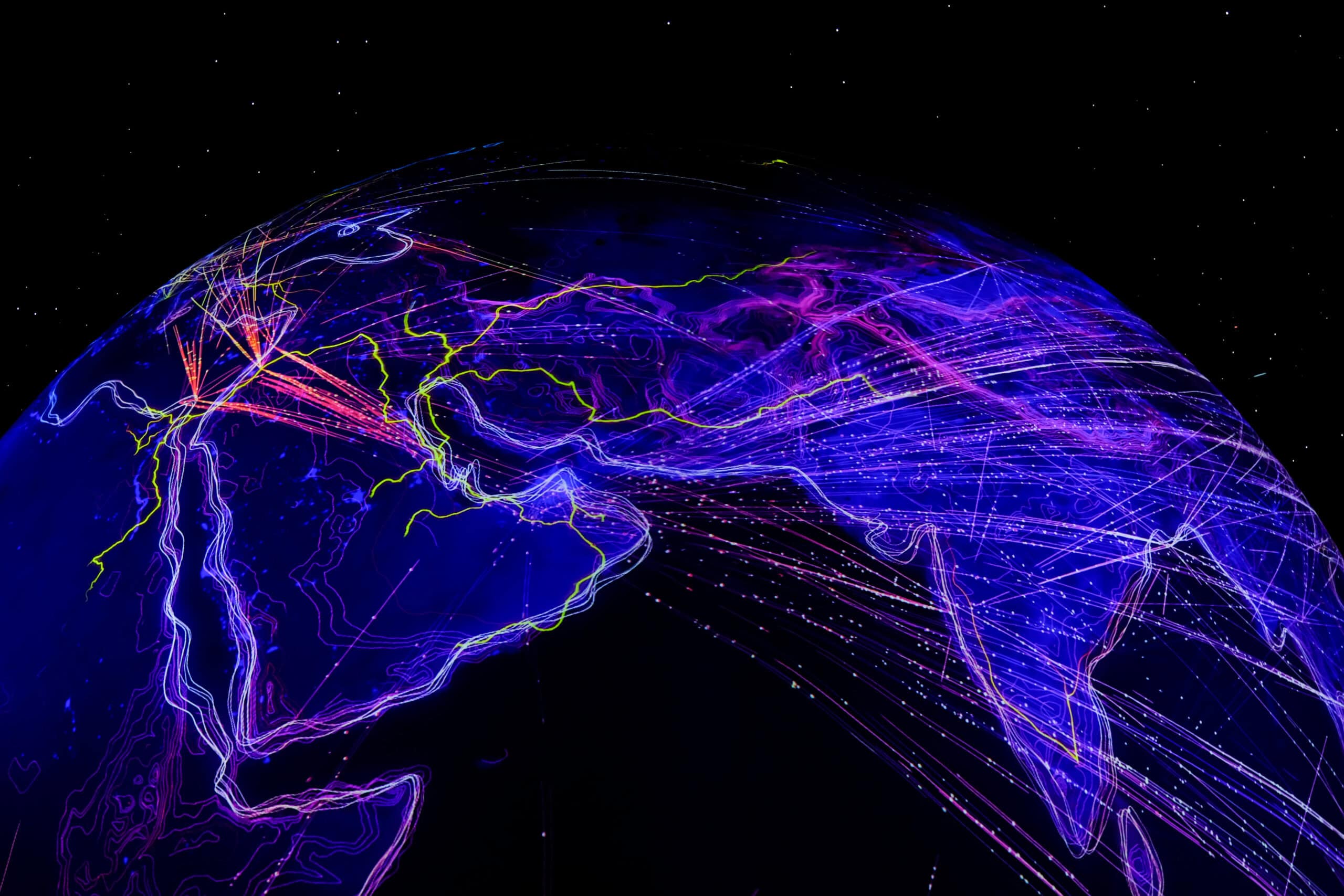
Complete Global Awareness
Data Meaningfully Targeted
Understanding Data in
Emergency Management
As a general rule, data sourced for situational awareness is raw, unstructured, constantly changing, and continuously growing in volume and complexity.
The right data at the right time turns raw feeds into a strategic read on situational threats, and prescriptive analytics turn that read into a recommended course of action.
Getting there means targeting collection deliberately. Models capture both weighted and unweighted indicators. Results are bounded by a declared scope perimeter, and the metadata is virtualized once it has been filtered for insight. Root-word matching, geofencing, watch lists and sentiment indication then resolve entities and surface what matters — alerting on a vectorized threat identity rather than a single generic severity score.
Health Surveillance
Health surveillance allows us to identify risk factors, track disease trends, determine action items, and target interventions. It also lets us assess the human health impacts of pandemics and other health emergencies to enhance planning, improve response, and mitigate impacts.
Global Transportation
Current emergencies have shown that understanding local, national and global transportation chains is essential to gain situational awareness. As enterprises continue to meet new daily challenges during global emergencies, that means understanding the impact on everything from jet airliners to mass-transit buses, rail terminals, vehicles and transport facilities.
Thermal Anomaly Detection
Integration with the Fire Information for Resource Management System (FIRMS) and the Earth Observation Common Metadata Repository (EO-CMR) brings NASA’s Land, Atmosphere Near real-time Capability (LANCE) directly into your situational awareness protocols.
Terrorism and Cyber Threat
Situational awareness requires coded criteria broad enough to cover the range of definitions of terrorism (homegrown or non-state actor), extremism, fundamentalism, spree violence, or targeted attacks against critical infrastructure such as places of worship, education, power grids, water treatment facilities — balanced through a combination of inclusion and filtering.